Understanding the Science Behind Lie Detection
When people hear the word polygraph, they often imagine a machine that can instantly determine whether someone is telling the truth or lying. In reality, the process is much more complex.
A polygraph does not read thoughts or automatically detect lies. Instead, it records physiological responses that may occur while a person answers a series of questions. Understanding these responses requires specialized training, a structured examination process, and careful interpretation by a qualified examiner.
How Does a Polygraph Work?
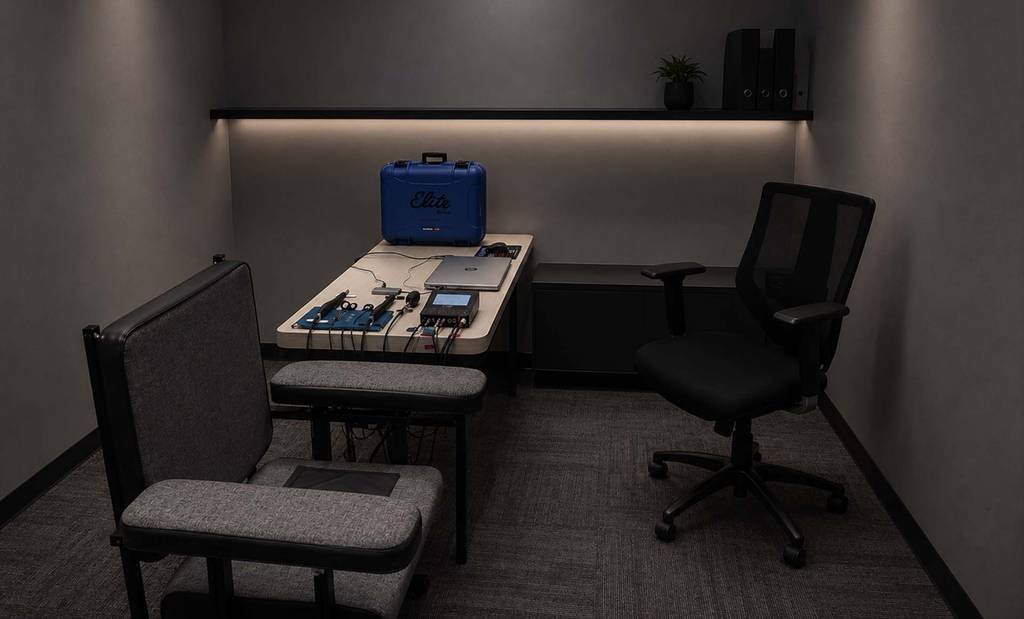
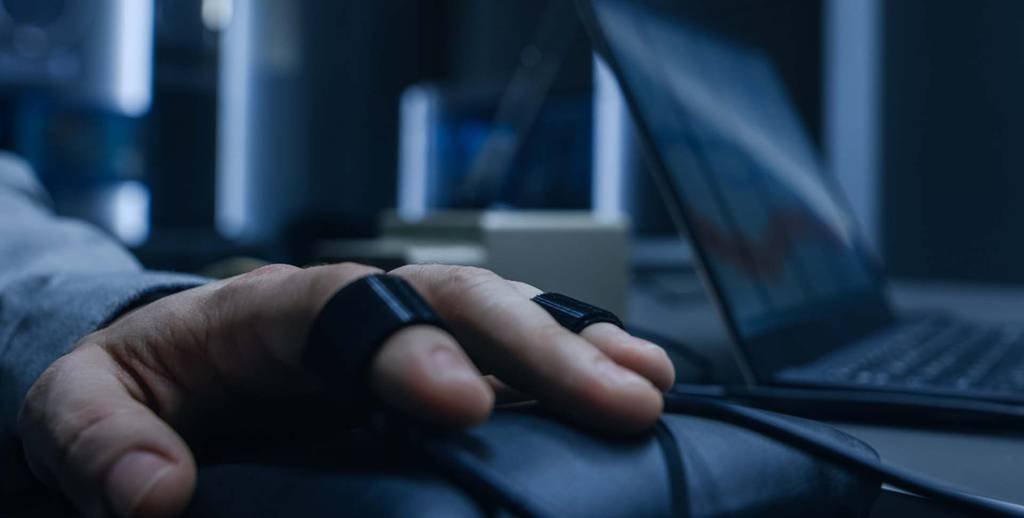
During a polygraph examination, sensors are attached to the individual to monitor several physiological indicators. These measurements help the examiner evaluate changes in the body’s responses throughout the test.
Depending on the equipment and examination protocol, the recorded indicators may include:
- Respiration: Changes in breathing rate, depth, and rhythm.
- Cardiovascular activity: Changes in pulse and blood pressure.
- Electrodermal activity: Variations in the skin’s electrical conductance associated with changes in sweat gland activity.
- Movement and muscle activity: Physical movements that may be monitored to help identify potential interference with the examination.
- Additional physiological indicators: Other measurements may be used depending on the equipment and testing method.
These signals are recorded and evaluated in relation to the questions asked during the examination. However, physiological changes can occur for many reasons, including stress, anxiety, fear, and other emotional or physical factors. A response alone does not establish that someone is being deceptive.
The Technology Is Only Part of the Process
One of the most important things to understand about polygraph testing is that the equipment itself does not determine the truth.
The quality of an examination depends on several factors working together: the examiner’s experience, the relevance and structure of the questions, the testing methodology, and the proper interpretation of the recorded data.
A professional polygraph examination generally involves a pre-test interview, a review of the issues being examined, the development and explanation of relevant questions, the recording of physiological responses, and the analysis of the resulting data.
The examiner evaluates the patterns observed throughout the examination rather than relying on a single reaction or isolated measurement. The context of the questions and the procedures used are essential to understanding the results.
Can a Polygraph Prove That Someone Is Lying?
No test result should be interpreted as an automatic or infallible determination of truth or deception.
Polygraph examinations are designed to help assess physiological responses under controlled testing conditions. Although they can provide useful information in certain investigative situations, their results have limitations and must be interpreted carefully.
Factors such as anxiety, medical conditions, medications, fatigue, and individual differences may affect physiological responses. The reliability and usefulness of an examination also depend on the testing method, the examiner’s qualifications, and the circumstances of the case.
For this reason, polygraph results should be considered within the broader context of the available information and evidence, rather than treated as a substitute for a thorough investigation.
When Can a Polygraph Examination Be Useful?
A professionally conducted polygraph examination may be considered in a range of personal, investigative, and legal-related situations, depending on the circumstances and applicable requirements.
Examples include:
- Relationship concerns: Addressing specific questions related to suspected infidelity or disputed statements.
- Theft and fraud investigations: Examining specific allegations involving missing property, financial misconduct, or disputed incidents.
- Civil and legal matters: Supporting attorneys and investigators who need additional information concerning a particular issue.
- Private investigations: Helping assess specific allegations or clarify conflicting accounts of an incident.
Every situation is different. Before arranging an examination, it is important to establish what needs to be addressed, whether polygraph testing is appropriate, and what the results can reasonably contribute to the case.
Why Professional Experience Matters
Polygraph testing is not simply a matter of connecting sensors and asking questions. A meaningful examination requires a structured methodology, appropriate preparation, technical competence, and an objective approach to interpreting the results.
An experienced examiner understands the importance of following established procedures, evaluating the data in context, and communicating findings without making unsupported conclusions.
Confidentiality, informed consent, and professional standards are also essential parts of the process. Clients should understand what the examination involves, how the results will be interpreted, and what limitations may apply before testing begins.
Ultimately, the value of a polygraph examination lies not only in the technology used, but also in the expertise and judgment applied throughout the process.
Professional Polygraph Services Through Foglight Investigations
When important questions remain unanswered, obtaining reliable information can be an important step toward making informed decisions.
Foglight Investigations offers professional polygraph examination services through SF Bay Polygraph LLC for private individuals, attorneys, investigators, and other referring professionals. Examinations may address relationship concerns, specific allegations, theft and fraud issues, disputed incidents, and other investigative needs.
The process includes preparation, a review of the relevant questions, the collection and analysis of physiological data, and a discussion of the results when appropriate. Examinations are conducted with an emphasis on professionalism, objectivity, and confidentiality, with informed consent obtained before testing.
Foglight Investigations serves clients throughout the San Francisco Peninsula, San Francisco, and the greater Bay Area. Additional locations may be available by arrangement, subject to applicable licensing and legal requirements.
If you are considering a polygraph examination and would like to understand whether it may be appropriate for your situation, contact Foglight Investigations to discuss your needs and available options.
Learn more about our Polygraph Services and request a confidential consultation.